
7 years in
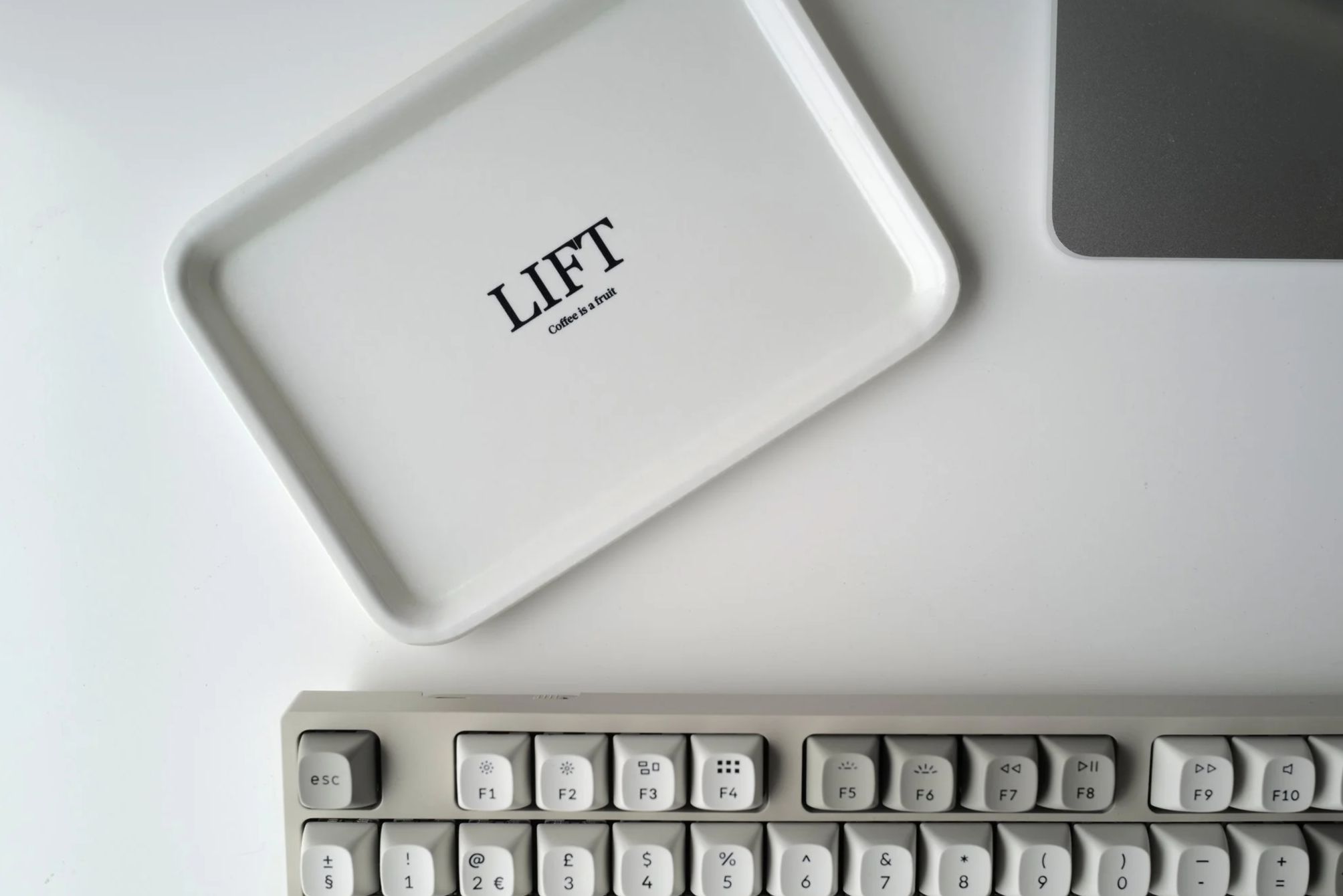
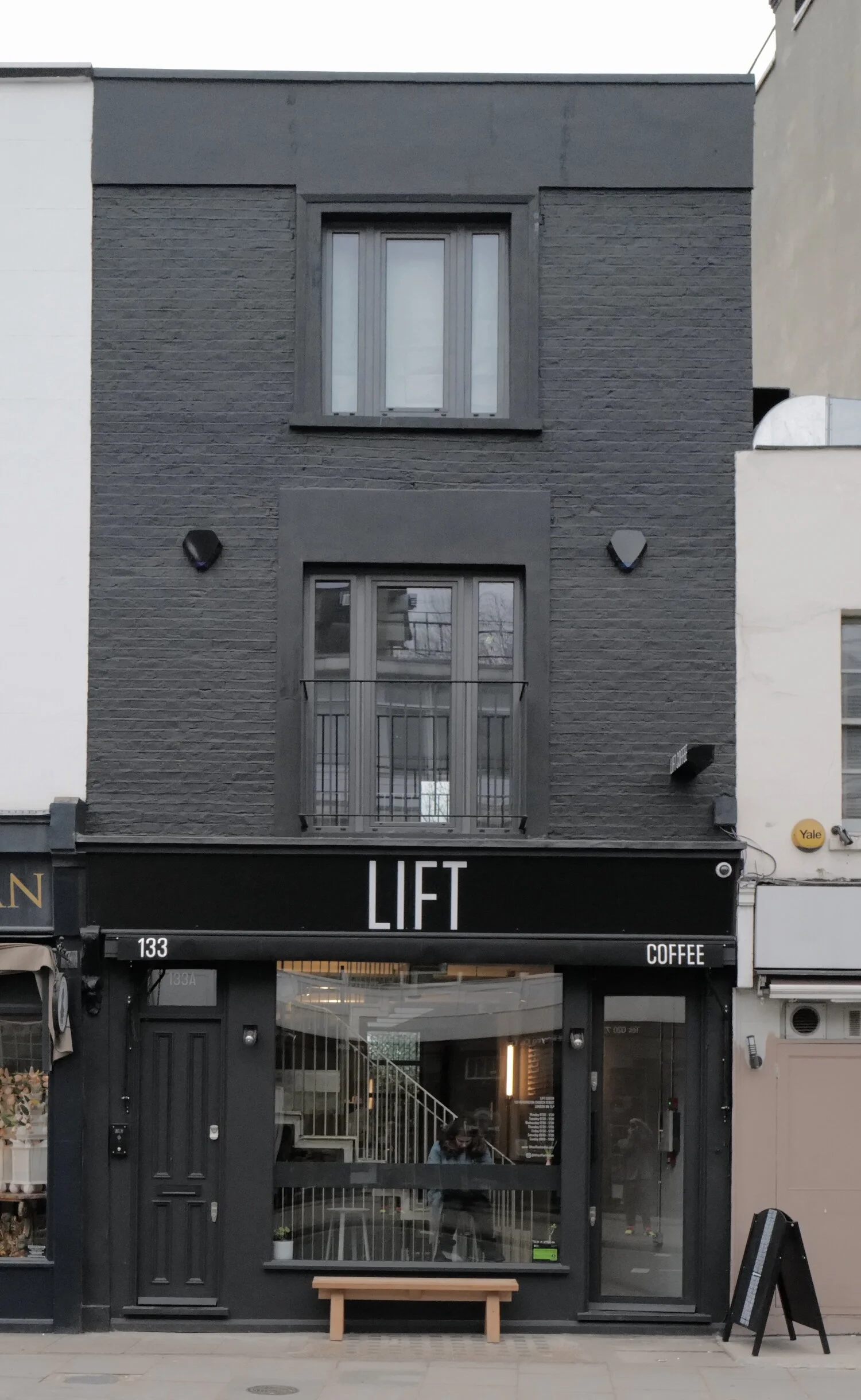
For a while, people who found us, in Kensington, in Shoreditch, or through a coffee they had somewhere else, would ask why we weren't more visible online. We didn't have a good answer. We were busy making coffee. But as we are approaching the seventh year of LIFT, it feels like the right moment to start writing some of it down.
LIFT started as a cafe in West London, which at the time was not a place people came to for coffee. That was the gap, but more than that, it was the excuse. We wanted to bring in roasters we actually liked, from around the world, and put that coffee somewhere it hadn't really been before. That felt worth doing. It was a simple idea, and it worked.
For a few years, that's exactly what we did. We curated, we tasted, we brought in roasters that we believed in. But gradually we started noticing a shift in what was available. More heavily processed lots, more infused coffee, more novelty. The roasters we respected were still doing interesting work, but the broader offer was narrowing in a way that made it harder to find what we were actually looking for. The industry was moving in one direction, a direction we were not entirely comfortable with.
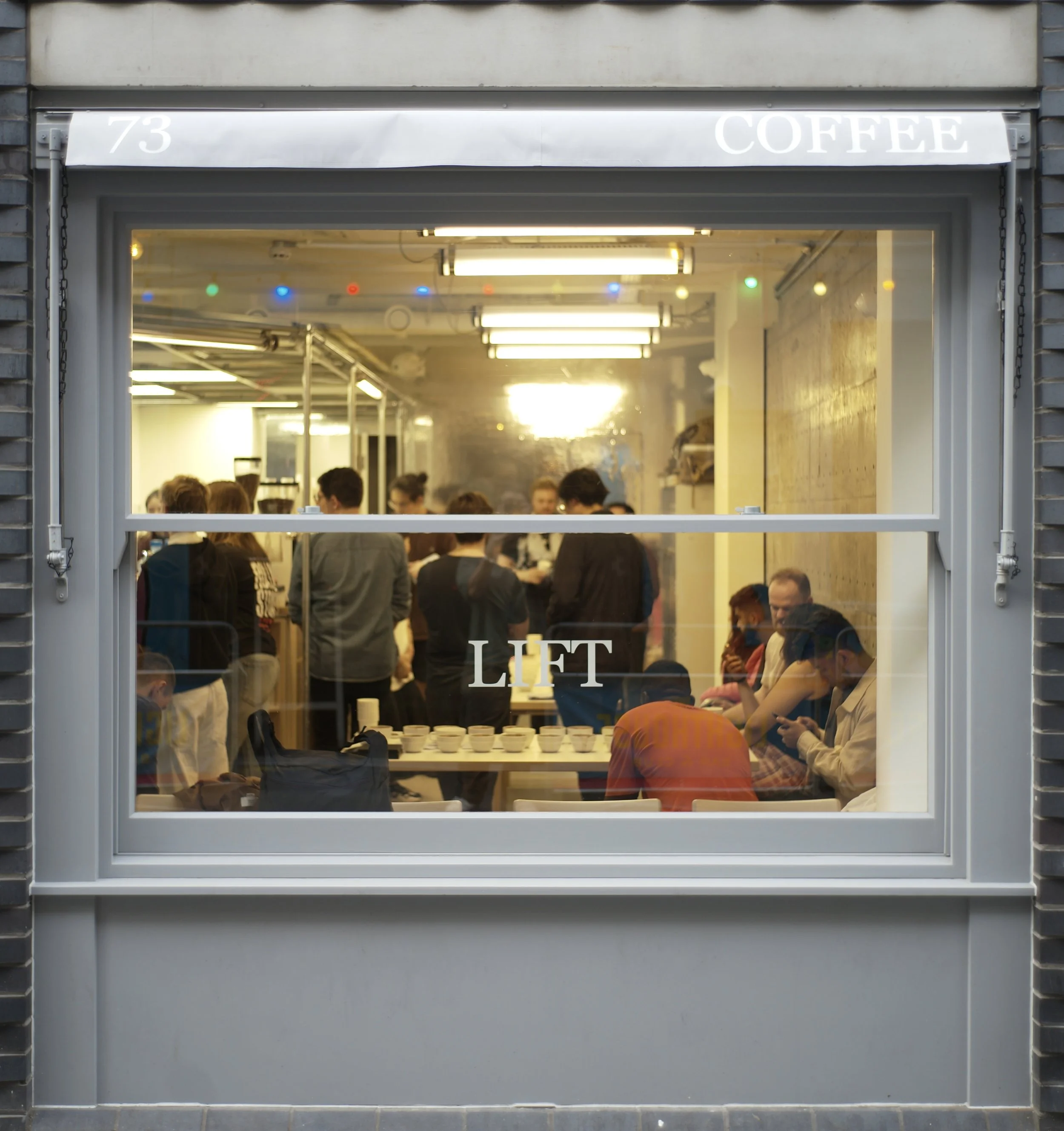
The specialty world had spent the better part of a decade chasing processing. Controlled fermentation, co-fermentation, experimental yeasts, anaerobic methods. Some of it opened up genuinely new territory, and some of those coffees are excellent. A lot of it, though, produced coffees that, underneath the novelty, tasted remarkably similar to each other. The variety character, the thing that makes a coffee from one place taste different from a coffee grown somewhere else, was getting buried under the process. The coffee was becoming about what was done to it, not what it was.
That frustration is where the roastery came from. Within the team, we had been having the same conversation for a while: about what we actually liked to drink, about what was getting lost, about washed and naturally processed coffees handled with restraint, and what they could be when they were done well. They are coffees that ask the most of the raw material, because there is less to hide behind. We agreed on that, and we agreed on something else too: that the everyday coffee deserved more attention than it was getting. Not the rare expensive lot that makes a good story. The ones people actually drink every morning. That cup can be done properly if someone takes it seriously.
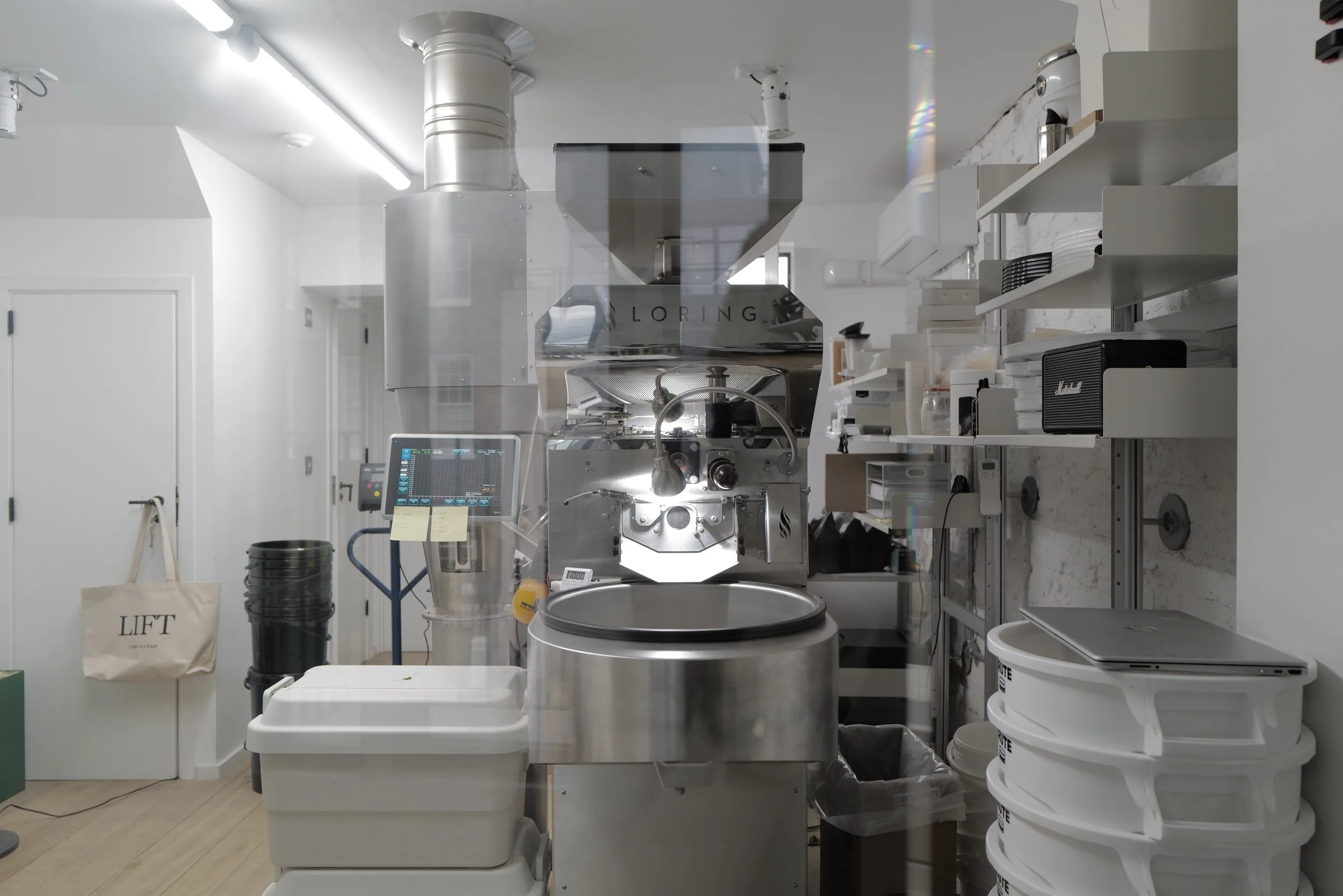
So we started roasting for our own cafes. Getting the sourcing right, dialling in the roast profiles, making sure what we were putting on the bar was exactly what we had in mind. By the time we started partnering with other cafes, we knew exactly what we were making and why.
LIFT has been roasting for three years now. Two cafes, a growing list of wholesale partners, and apparently a reputation for not writing things down. We're working on that last part.