
Two Kinds of Coffee
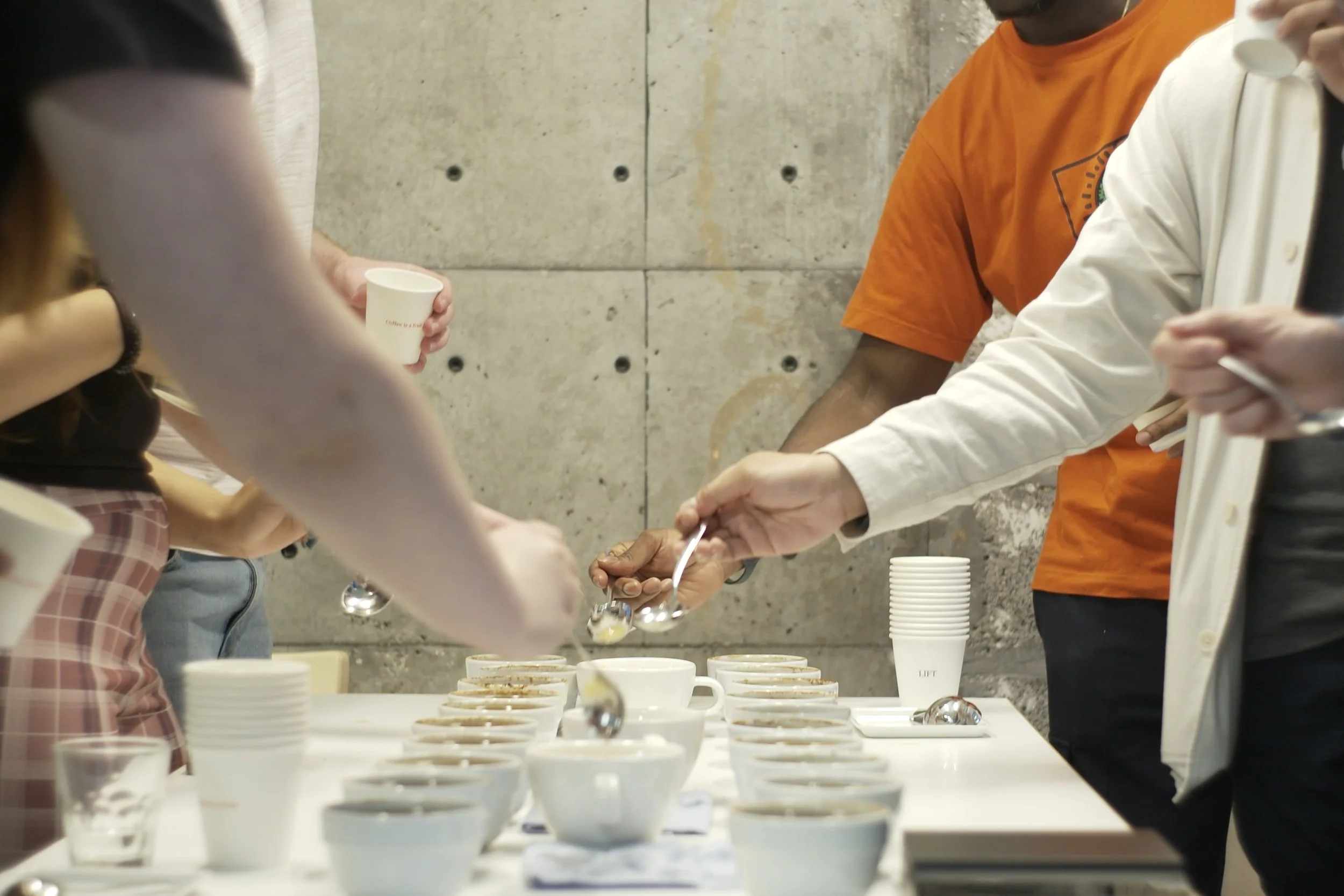
We source two kinds of coffee. The first is the best example of what something is, a Kenyan that is unmistakably Kenyan, an Ethiopian that shows you exactly what good Ethiopian coffee can be. Coffees where the variety and the origin come through without interference.
The second is the coffee that breaks the expected pattern cleanly, not through heavy processing or infusion, but because the raw material is genuinely exceptional and produces something in the cup that belongs to it alone.
The Brazil we have on at the moment is a good example of the latter. Brazilian coffees tend toward body, chocolate, and a roundness. This one is light and delicate, with a hint of raspberry — notes that would not be unusual elsewhere in our lineup, but feel surprising here, coming from a Yellow Catuai grown in Brazil. When we first cupped it, that was the thing that stayed with us. Not strange, just unexpectedly familiar in the best way.
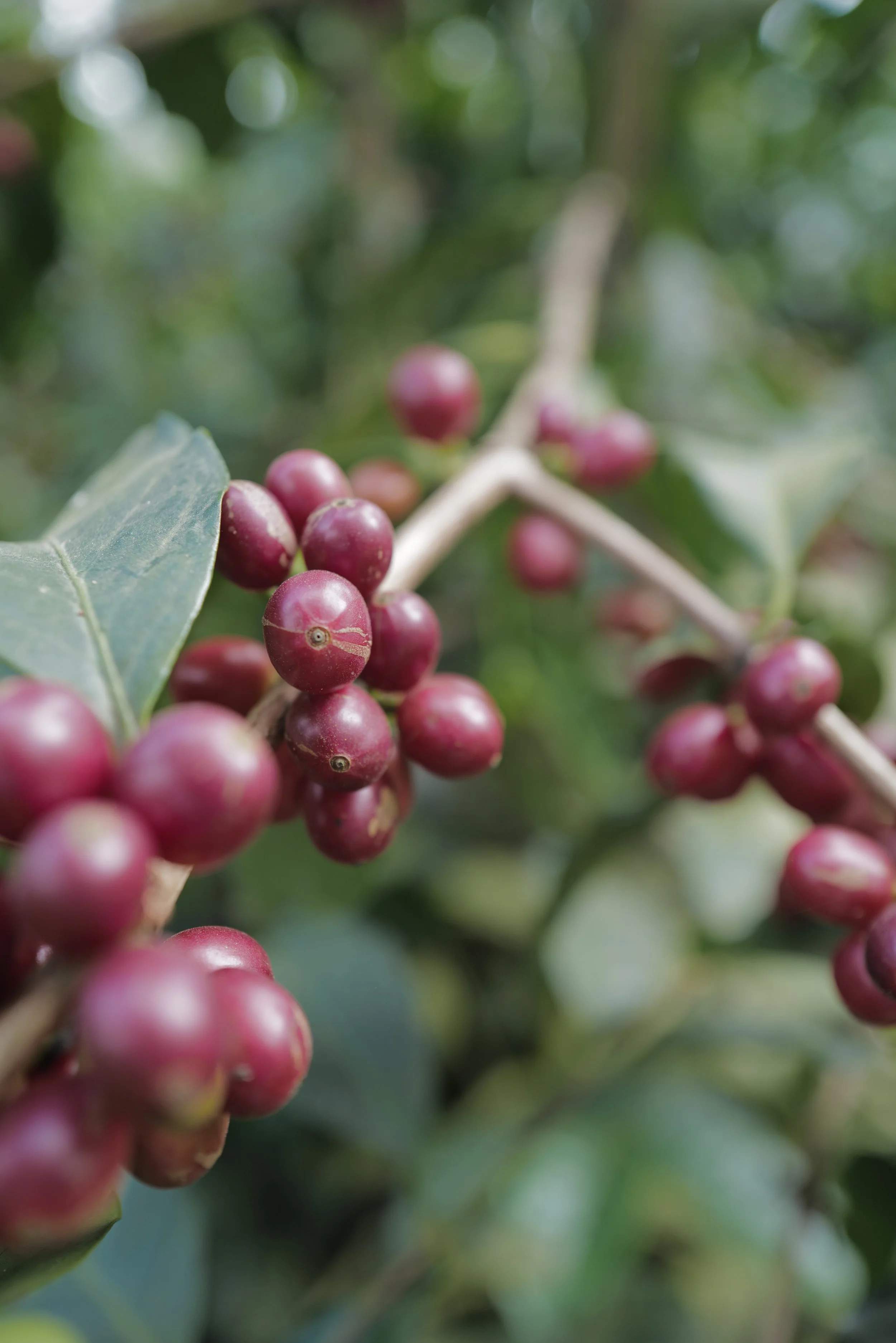
Finding coffees like that takes time. We go through a lot of samples, roasting and cupping green lots as they come in, revisiting producers season after season. Most don't make it. The ones that do tend to reward that process.
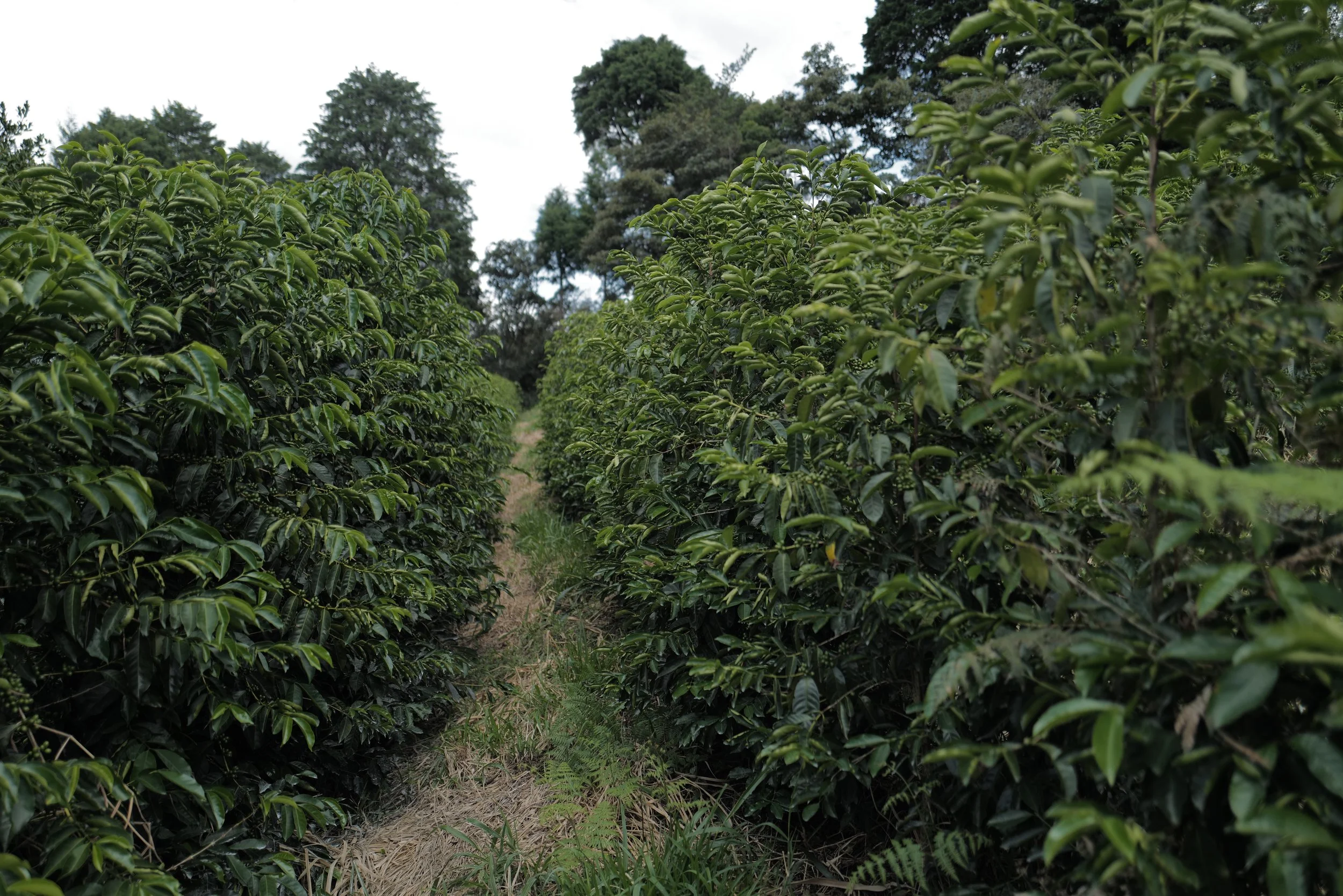
A lot of that comes down to the relationships behind the coffee. Our relationships with importers and producers have been built over years of shared cuppings and honest conversations. In some cases, they have taken us to the farms themselves, to the slopes of Volcán Azul in Costa Rica, to the hillsides of Finca Soledad in Ecuador. Something changes when you visit. You meet the people who planted the trees and sorted the cherries, who managed the drying beds and made the calls that determined what ended up in the bag. The coffee you taste back in London is a product of all of that, of specific hands and specific decisions made in specific places. When someone drinks a cup of coffee from LIFT, that's what they're drinking, even if they can't see it.
What we look for in the cup comes from the variety and the terroir, sweetness, complexity, something delicate or layered that is the result of where the coffee was grown and how carefully it was handled. That is what we are trying to recognise when we buy coffee.